
FDA added 21 CFR 890.5870, establishing special controls for prescription devices that use electrical, magnetic, or ultrasonic fields to promote bone healing.
FDA proposes stepping back from duplicating NIOSH oversight for approved respirators in healthcare settings. Here is what matters for manufacturers.

The MHRA extends its AI Airlock programme with 3 years and £3.6 million in funding. Here is what two phases of testing have revealed for manufacturers.
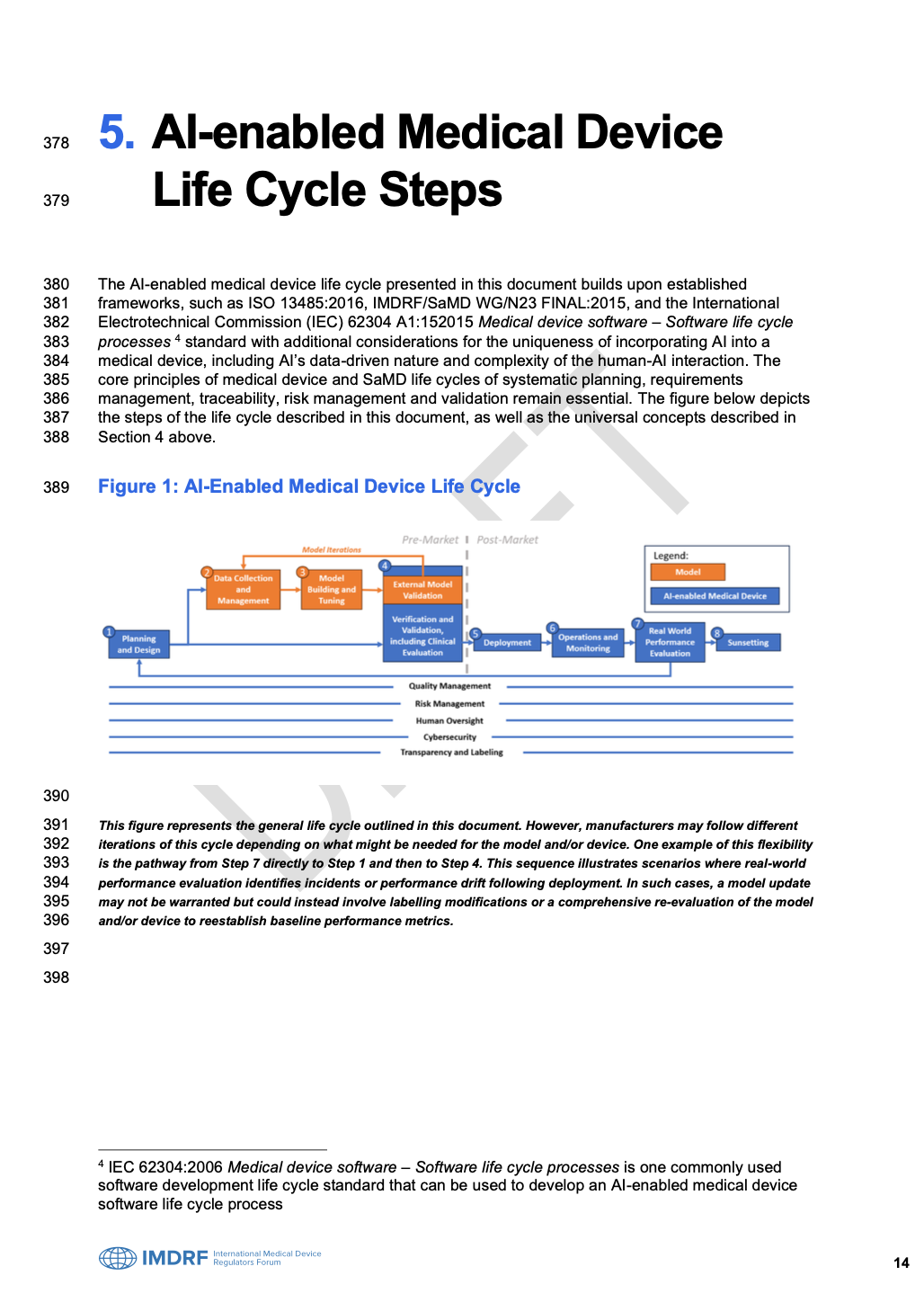
The IMDRF's new AI framework (N93) will shape the global regulatory baseline for AI-enabled medical devices. Here are the four most critical takeaways for manufacturers.
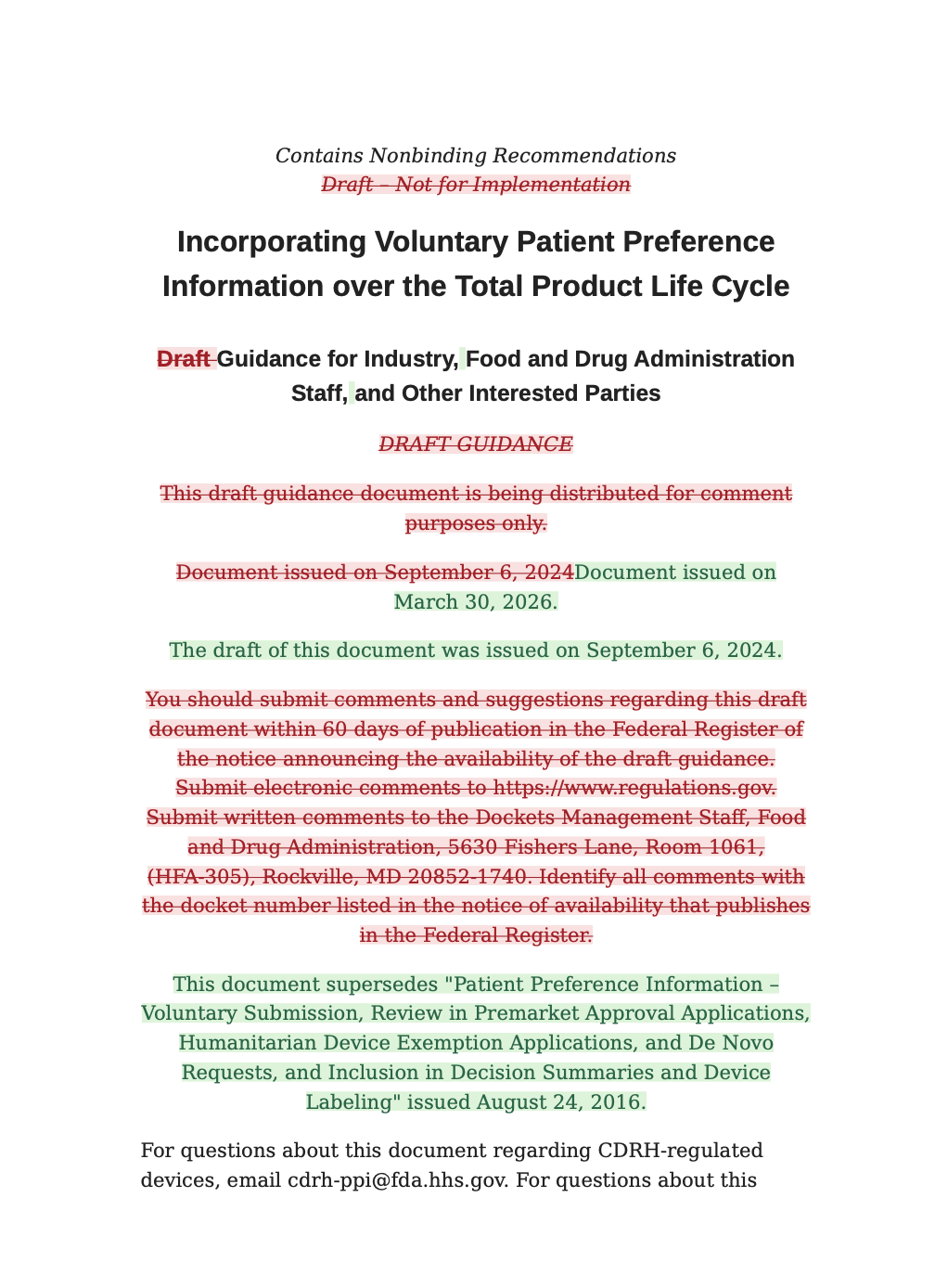
FDA finalized its guidance on incorporating voluntary Patient Preference Information over the total product life cycle. We redlined the changes from the 2024 draft.
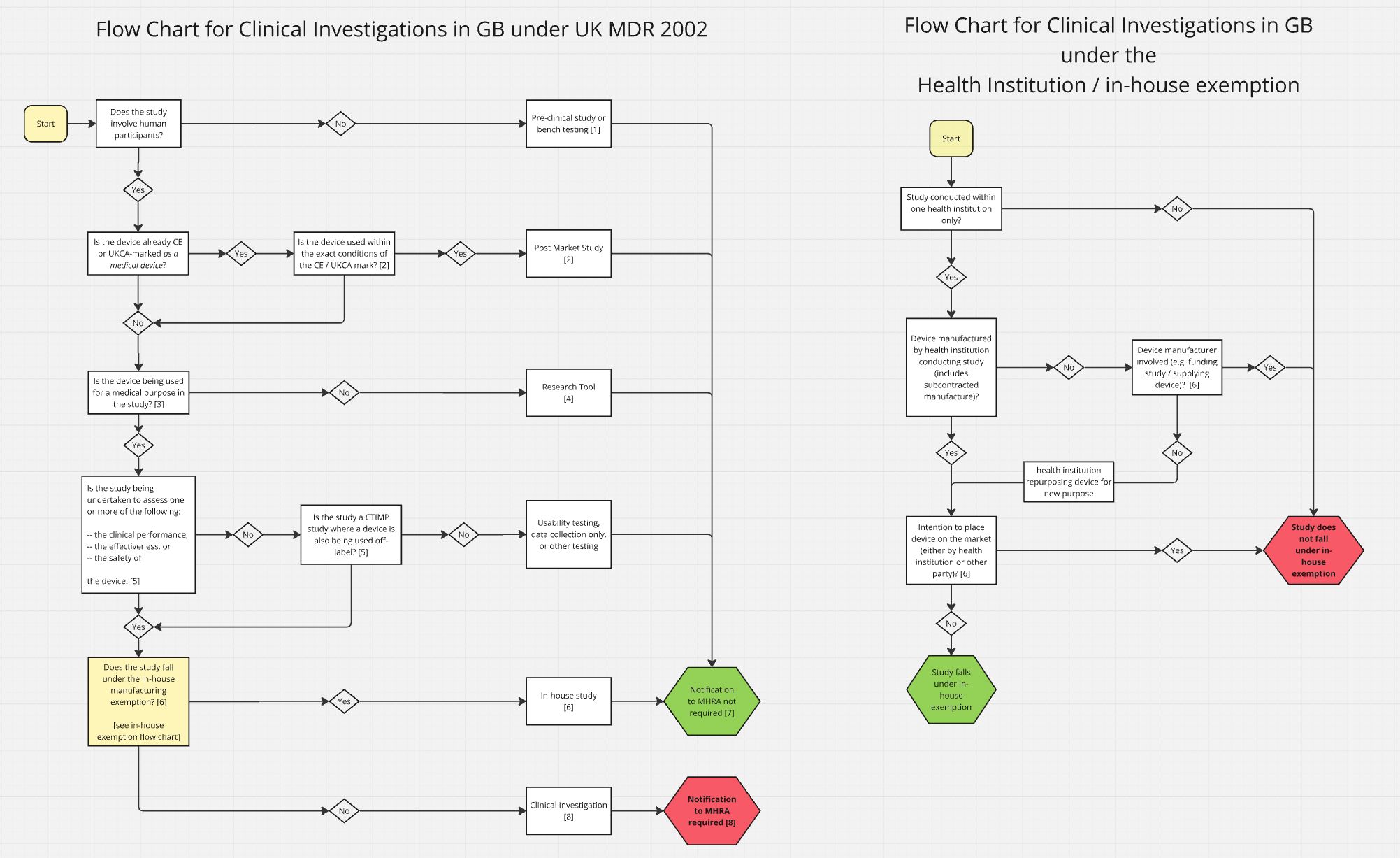
Between March 30 and April 1, the MHRA released guidance covering clinical investigations, submission requirements, approval processes, and more.

LLMs hallucinate. In regulatory work, that is not just annoying — it is dangerous. Here are real examples from QARA work and practical habits to catch them.

Generalist AI keeps improving, but it is still far from enough for proper regulatory work. Here are five scenarios where you should not rely on it.
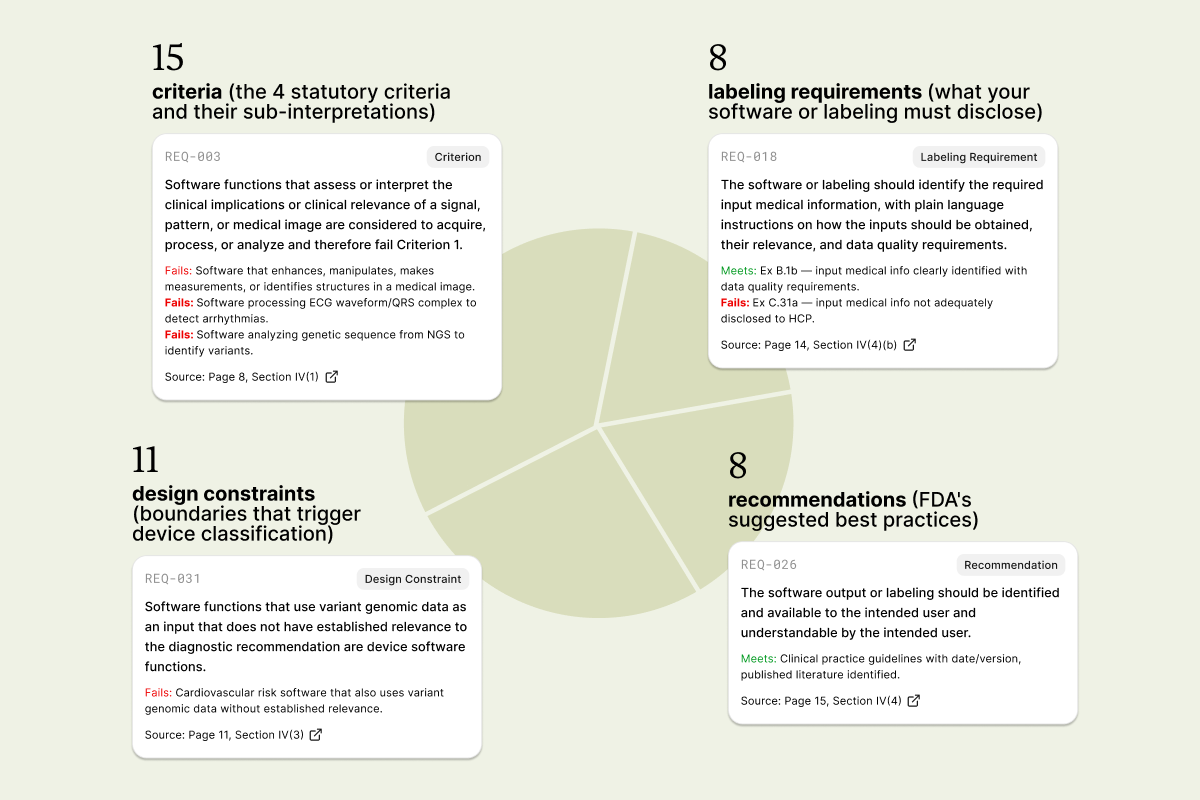
A reusable prompt to extract every requirement from any regulatory guidance into a structured, traceable table. Applied here to the FDA Clinical Decision Support Software guidance.
FDA updated the CDS guidance twice in January 2026. We redlined the changes so you don't have to read 30+ pages.
We analyzed the updated FDA Cybersecurity guidance.
We tackled MDCG 2025-7 Rev. 1 to see exactly what changed between July and December 2025.
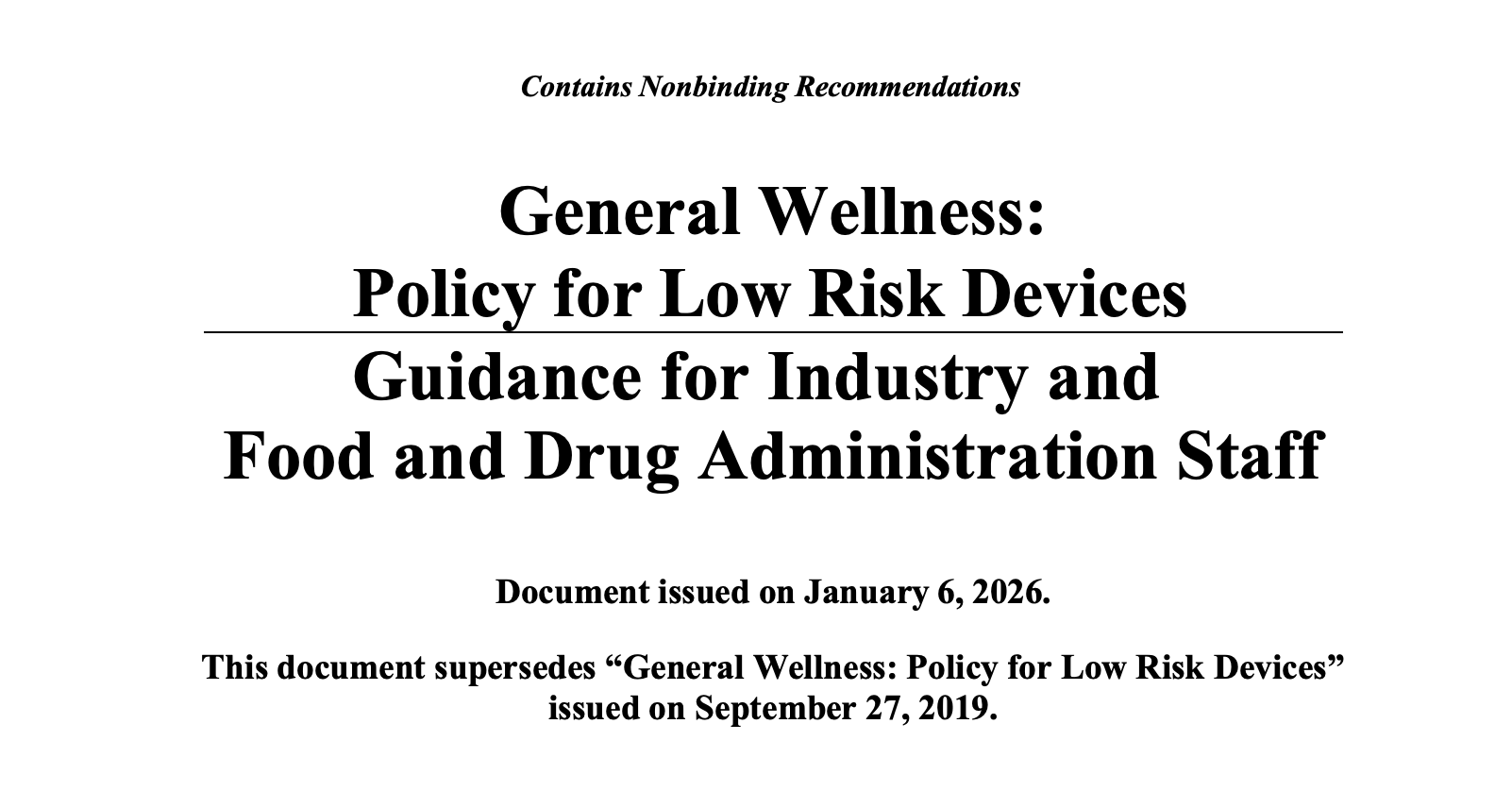
We built a redlining tool to understand the updated FDA Guidance about Wellness and Low-Risk Devices. Here's what changed.